
Get 12x12 Patio Cover for $5,537 + Tax
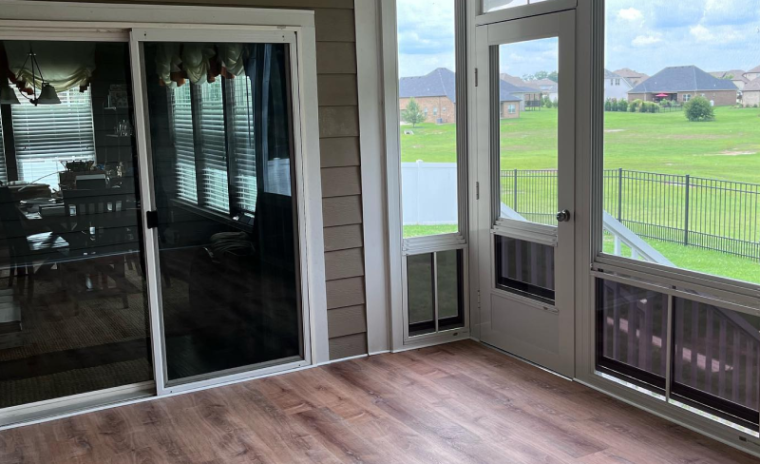
Identify When to Replace Your Deck in Shelbyville, TN
Identify When to Replace Your Deck in Shelbyville, TN
Surface Discoloration and Minor Weathering
One of the earliest indicators that your deck requires attention is visible surface discoloration, fading, or minor weathering. In the Shelbyville area, decks endure humid summers, variable rainfall, and occasional freeze-thaw cycles during winter months. These environmental stresses cause pressure treated decking to fade from its original rich brown to a silvery gray, while composite materials may show chalking or streaking over time. While some color change is natural, uneven discoloration, green algae growth in shaded sections, or black mold spots signal moisture retention that can accelerate material breakdown.
Splintering along handrails and deck boards is another common early sign. When wood fibers separate and lift, the deck becomes uncomfortable and potentially unsafe for barefoot traffic, especially for families with children. This splintering occurs when the protective sealant breaks down and moisture penetrates the wood grain. If you notice soft spots when walking across boards, or if nails and screws begin protruding above the surface, the deck is warning you that deeper issues may be developing. Addressing these concerns early through professional refinishing or targeted board replacement extends the overall lifespan and prevents costlier repairs. Regular maintenance becomes less effective when these surface problems persist despite cleaning and sealing efforts, suggesting the materials have reached a threshold where replacement offers better long-term value.
Rotting Wood and Compromised Structural Integrity
Structural damage represents the most serious category of deck deterioration and demands immediate professional evaluation. Wood rot typically begins where moisture accumulates: at ground-level posts, underneath deck boards where air circulation is limited, and along ledger boards attached to the house. In middle Tennessee’s climate, the combination of humidity and occasional standing water creates ideal conditions for rot fungi. Test suspicious areas by pressing firmly with a screwdriver; if the tool penetrates easily more than a quarter inch, the wood has lost structural integrity. Rot often spreads invisibly within beams and joists while surface boards appear intact, making professional inspection essential.
Sagging sections, bouncy boards, or visible separation between the deck and the house foundation indicate that load-bearing components have failed or are failing. Loose or wobbly railings present an immediate fall hazard, particularly for elderly family members or young children. Posts that lean, crack, or pull away from their footings compromise the entire structure’s stability. These structural failures do not improve with minor repairs; attempting to patch failing components without addressing root causes puts occupants at genuine risk. Liability concerns arise when decks host gatherings, making structural soundness not just a maintenance issue but a legal responsibility. When multiple structural elements show deterioration, replacement by qualified outdoor living contractors becomes the only prudent solution, allowing for updated building code compliance and modern safety features.
Understanding Material Longevity and Performance Decline
Every decking material has a practical service life, and age alone becomes a deciding factor in replacement decisions. Traditional pressure treated decking typically lasts fifteen to twenty years with diligent maintenance, while neglected wood decks may fail in ten years or less. Composite deck materials generally offer twenty-five to thirty years of performance, though early-generation composite products from the 1990s and early 2000s have proven less durable than current formulations. If your deck predates 2010, the materials and construction methods may not meet current standards for longevity and performance.
As decks age, you will notice cumulative wear that maintenance cannot reverse. Fading becomes permanent as UV exposure breaks down wood lignin or composite polymers. Warping and cupping of boards create uneven surfaces that trap water and accelerate decay. Fasteners corrode and lose holding power, especially if galvanized rather than stainless steel hardware was used initially. The annual maintenance requirements escalate as materials degrade: what once needed sealing every three years may require attention every season, with diminishing results. At a certain point, the ongoing cost and effort of maintaining an aging deck exceeds the investment in new construction.
Upgrading to modern composite materials through experienced composite deck builders eliminates the recurring maintenance cycle entirely. Contemporary composite products resist fading, splintering, and rot while maintaining consistent appearance for decades. This transition makes particular sense for homeowners who have grown weary of the maintenance burden or who want to invest in their outdoor living space without ongoing upkeep obligations.
Expanding Your Outdoor Living Potential
Even structurally sound decks may warrant replacement when they no longer serve your lifestyle or fail to maximize your property’s outdoor potential. Many homeowners in the Shelbyville and Murfreesboro areas have discovered that their original builder-grade deck, installed when the house was constructed, lacks the size, features, or configuration they now desire. As families grow or entertaining preferences evolve, that modest ten-by-twelve platform no longer accommodates outdoor furniture, grills, and gathering spaces comfortably.
Modern outdoor living enhancements dramatically expand functionality and season extension. Adding a louvered patio cover transforms a deck from a fair-weather space into a versatile outdoor room with adjustable shade and rain protection. Three season sunrooms and four seasons sunrooms contractors can convert underutilized deck areas into climate-controlled spaces usable year-round, adding genuine square footage to your home. Motorized patio screens provide insect protection during Tennessee’s warm months without obstructing views or airflow. Aluminum pergolas and wooden pergolas create defined zones for dining, lounging, or cooking while adding architectural interest.
When planning these upgrades, integration with existing deck infrastructure often proves challenging or impossible. Older decks may lack the structural capacity to support roof loads from patio covers or the foundation requirements for sunroom construction. Starting fresh with patio enclosure contractors allows proper engineering for your intended use, ensuring that posts, beams, and footings accommodate both current plans and potential future additions. This forward-thinking approach delivers better long-term value than attempting to retrofit incompatible features onto aging structures.
When to Schedule an Inspection
If you have observed any combination of the warning signs described above, scheduling a professional deck inspection provides clarity and protects your investment. Qualified outdoor living contractors conduct thorough assessments that examine visible surfaces, probe structural members for hidden rot, check ledger board attachments, inspect footings and posts, and evaluate compliance with current building codes. This inspection typically takes one to two hours and delivers a detailed report identifying immediate safety concerns, recommended repairs, and realistic cost estimates for both repair and replacement options.
Timing your assessment strategically helps you plan and budget effectively. Spring and fall offer ideal conditions for inspection and construction in the Shelbyville area, avoiding summer heat peaks and winter weather delays. If you are considering selling your home within the next few years, addressing deck deficiencies proactively prevents issues during buyer inspections and supports your asking price. For long-term homeowners, planning replacement or major upgrades during slower construction seasons often yields better scheduling flexibility and contractor availability.
Selecting the right professional matters significantly. Look for established local businesses with verifiable references, proper licensing and insurance, and a portfolio demonstrating quality work on projects similar to yours. Contractors specializing in outdoor living spaces bring valuable design insight beyond basic deck replacement, helping you envision pergola additions, screen room integration, or concrete flatwork contractors for coordinated patio extensions. Request detailed written proposals that specify materials, timelines, warranties, and payment schedules. A thorough professional will discuss maintenance expectations honestly, explain material options without pressure, and demonstrate genuine interest in creating an outdoor space that serves your specific needs for years to come.
